
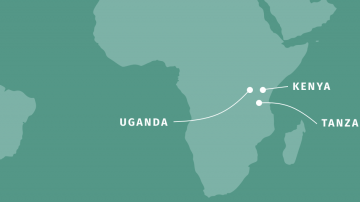
Twaweza means “we can make it happen” in Swahili. Twaweza works on enabling citizens to exercise agency and governments to be more open and responsive in Tanzania, Kenya and Uganda.
Putting citizens at the centre
FROM OUR BLOG
Local Governments May Be Constrained but Oftentimes Listen and Act
Local governments in Uganda often find themselves walking a tightrope between limited resources and the unlimited needs of citizens under…
Read More 
Living in the dark
According to the 2022 report by the Uganda Bureau of Statistics, only forty-three per cent (43%) of Ugandans have access…
Read More 
The Untapped Potential of Local Elections in Kenya
As 2024 continues to unfold, the globe is abuzz and busy with electoral activities; with about half of the world’s…
Read More HIGHLIGHTS
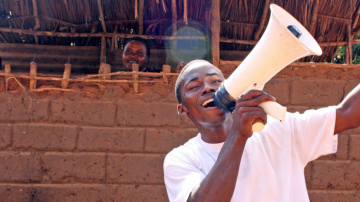
SAUTI ZA WANANCHI
Sauti za Wananchi offers, in particular to policy-makers, the media and the public, unique access to data that provide insight into the real-time experiences and views of citizens.
ANNUAL REPORT 2022
Stories on how citizens across Kenya, Uganda and Tanzania are “looking around to see where they can make change, raising their voices, rolling up their sleeves and making things happen.
KIUFUNZA
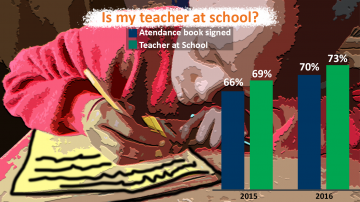
Motivating teachers through measuring and rewarding individual performance - cash for results.